
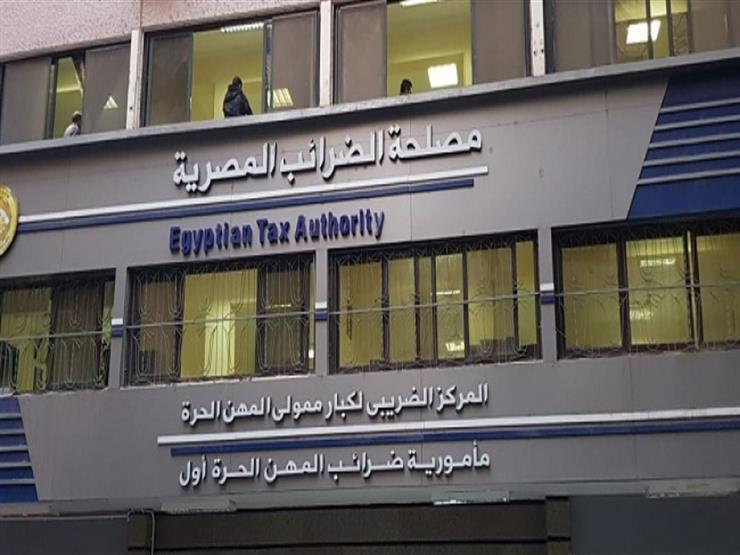
The adjustments, made in response to demands from various productive sectors, will not affect tax exemptions for essential goods, food, healthcare, or educational services, nor will they increase the general VAT rate, the authority clarified in a statement.
The Tax Authority affirmed its commitment to achieving tax
justice, responding to the business community, and encouraging participation in
electronic systems. It stressed its goal of expanding the tax base and adhering
to international standards set by the World Health Organization (WHO) and the
World Tourism Organization (UNWTO).
The statement added that to ease financial burdens,
contracting services will now fall under the general tax rate instead of a 5%
schedule tax. This allows for the deduction of all paid taxes on inputs,
potentially lowering the cost of contracting services. Contractors will also be
able to deduct or refund taxes on machinery and equipment used in their work, a
measure the authority believes will help expand the tax base as contractors submit
more purchase details.
Ordinary shops and administrative units without a commercial
designation will remain tax-exempt. However, administrative units in commercial
hubs like malls will now face a 1% tax on their sale or rental value,
standardizing tax treatment with existing commercial shops.
Crude oil, but not refined petroleum products, will be
subject to a 10% schedule tax. The authority emphasized this change will not
lead to higher fuel prices for consumers, as the Egyptian General Petroleum
Corporation, the sole buyer of crude oil in Egypt, has already factored this
lump-sum tax into its upcoming costs and expects to absorb it through
anticipated savings.
In response to requests from Egyptian companies, the
amendments also include expanding tax brackets for cigarettes and increasing
the lump-sum tax by only 50 piasters — the first such increase since 2023.
Additionally, alcoholic beverages will now be subject to a lump-sum and
progressive schedule tax based on alcohol content, replacing the previous
proportional tax on sales value.
These reforms are a direct result of requests from producers and the industry, and aim to align with WHO requirements and international best practices.