
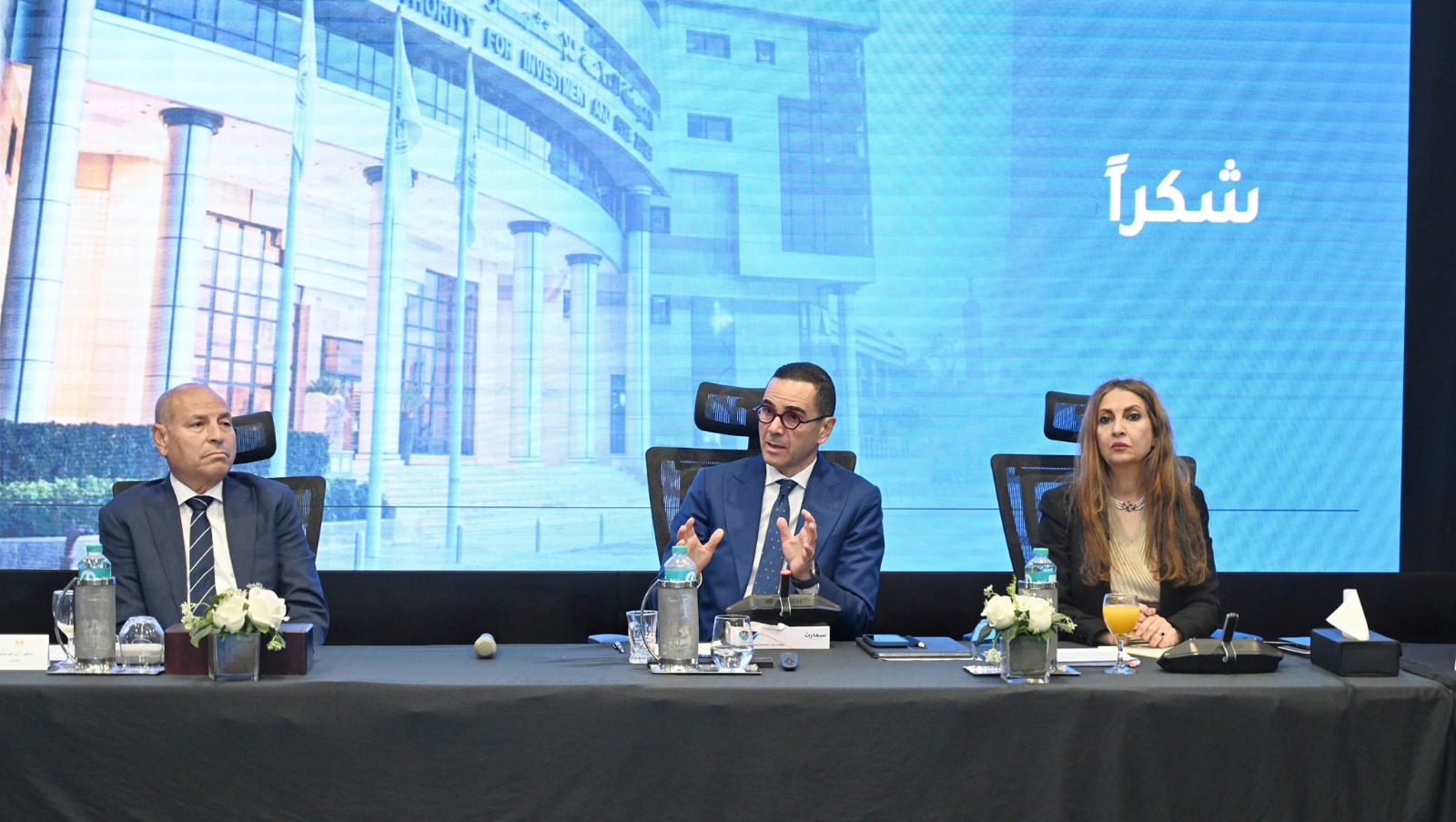
Engineer Hassan El Khatib, Minister of Investment and Foreign Trade, emphasized the need for sectors to commit to effective participation by completing the report's questionnaires to ensure a realistic and effective assessment of the business environment. He noted that the required procedural reforms are not complex and can be implemented immediately, achieving a qualitative shift in the country's competitiveness.
He stressed the importance of transforming current challenges into real reform opportunities, noting that Egypt possesses advanced infrastructure, including ports and railways, a clear plan for expansion into African markets, a highly skilled workforce and engineers, and the availability of renewable energy sources. He stressed that the government aims to join the list of the top 50 global economies in terms of business readiness, emphasizing the need to implement the required measures within three months.
Saber affirmed the governorate's full readiness to cooperate with the Ministry of Investment and Foreign Trade to address any challenges that may hinder the implementation of targeted reform measures.
The meetings of the National Committee for the Business Readiness Report are part of the state's efforts to enhance the readiness of its institutions to implement international standards in the business environment. This is achieved through coordination between various government agencies and the integration of their roles, with the aim of building a flexible and effective institutional system capable of keeping pace with global developments and achieving a qualitative shift in Egypt's investment climate.