
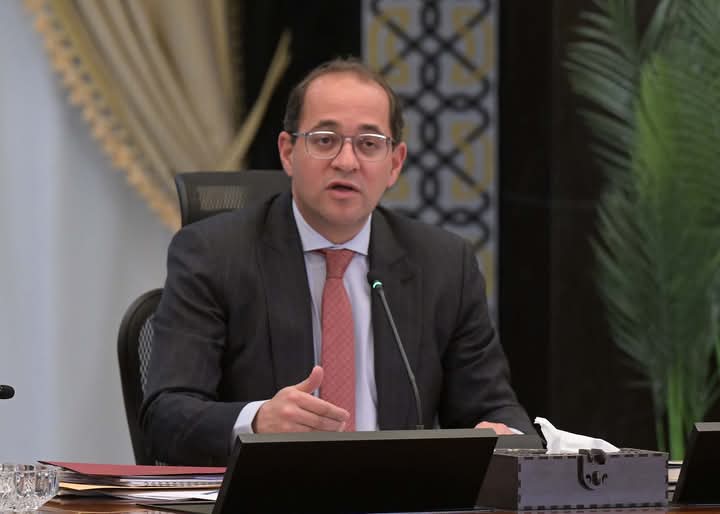
He added that the government will work to achieve its financial targets, despite losing EGP 110 billion in Suez Canal revenues and bearing an additional EGP 150 billion in "extra support" for the energy sector.
The Minister explained that Egypt recorded its highest tax
revenues in years, at 38%, without imposing new burdens, while also pointing to
strong growth during the first half of the year in the tourism, non-petroleum
manufacturing, and information and communication technology sectors.
Kouchouk further added that over the past ten months, spending
on health increased by an average of 27% and on education by 23%. Significant
allocations were also made for social programs and economic support: EGP 95
billion for subsidized goods (a 37% annual growth) and EGP 30 billion for
"Takaful and Karama" social security programs (a 24% increase). He
clarified that EGP 11 billion was spent on state-funded medical treatment,
growing 35% annually, and EGP 8 billion supported industrial production,
marking a remarkable 128% growth. Additionally, around EGP 15 billion was
allocated to assist exporters.
The Minister stated that the external debt of budgetary entities decreased by $2 billion over the past ten months. He attributed this, in part, to renewed foreign investor confidence, which also helped extend the debt's maturity to 1.8 years by December 2024. Additionally, remittances from Egyptians abroad surged to $26.4 billion, an 82.7% increase, during the July to March period.