
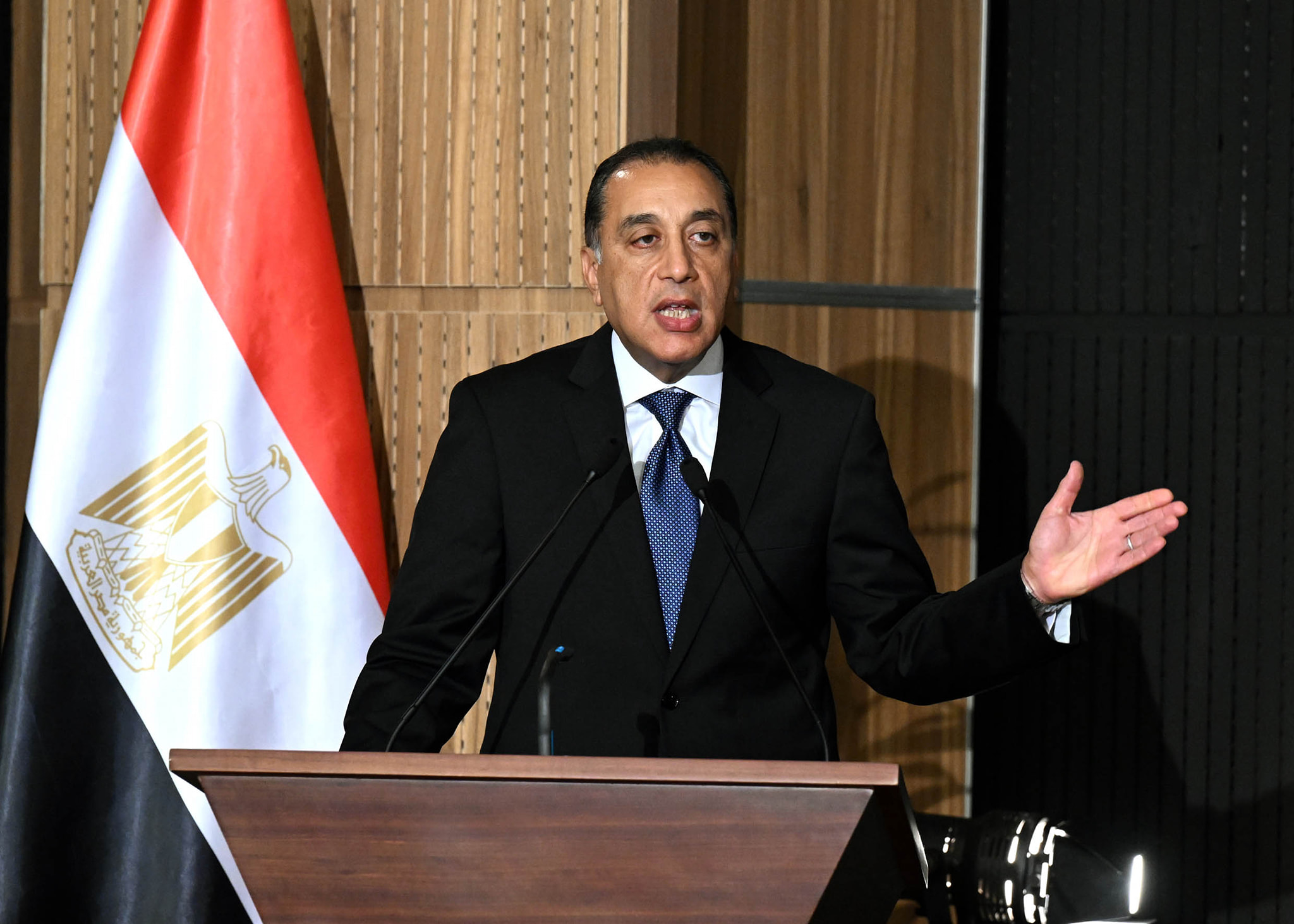
Madbouly underscored the health sector's strategic importance, particularly in medical tourism, highlighting it as a promising area for growth. He reiterated the government's steadfast commitment to supporting the sector, recognizing it as a vital investment in the nation's future.
Dr. Khaled Abdel Ghaffar, Minister of Health and Population,
outlined a new investment plan focused on developing healthcare infrastructure
through new facilities and upgraded medical centers. The plan also prioritizes
completing the Universal Health Insurance system, aiming to improve healthcare
quality and prepare the sector for future needs.
The Minister also detailed the Ministry's efforts to boost
private sector investment in healthcare. He highlighted a new legal framework
designed to balance public and private sector roles in health service
provision. This framework opens investment opportunities, enforces
international quality standards, and provides investors with essential
information on healthcare investment trends and opportunities. Additionally, he
discussed the goals of the National Project for Coding and Licensing Private
Medical Facilities and the collaborative efforts between the Ministry of Health
and other relevant ministries and authorities.
Dr. Abdel Ghaffar highlighted over 75 investment
opportunities in Egypt's healthcare sector. These include medical facilities,
specialized medical services, medical and diagnostic technology, digital
healthcare and smart transformation, localization of the pharmaceutical
industry, and new health services such as home healthcare. In total, there are
more than 75 investment opportunities.
Regarding investment opportunities in medical facilities,
he noted that they include 63 opportunities in areas such
as: developing and operating existing hospitals, operating modern hospitals
currently being built and equipped by the state, acquiring land with facilities
and incentive packages for building new hospitals, and asset management
opportunities.
The Minister of Health detailed opportunities in managing,
operating, and developing healthcare facilities, identifying 41 facilities
across 14 governorates. This is in addition to new investment opportunities for
establishing, operating, and managing healthcare facilities. He also noted that
21 plots of land in new urban cities have been allocated to the Ministry of
Health and Population for building investment hospitals in partnership with the
private sector.
Abdel Ghaffar highlighted 3 investment
opportunities in specialized medical services. Additionally, there are 6
investment opportunities in medical and diagnostic technology, focusing on localizing
X-ray equipment production in Egypt.
He also emphasized investment opportunities in digital
healthcare and smart transformation. He presented a proposal for a
comprehensive digital transformation of Egyptian healthcare, in partnership
with the private sector. This initiative includes a unified hospital
information management system and AI-driven infrastructure and software. The
project is anticipated to be completed within 3 to 5 years, resulting in a
fully integrated system across all governorates.
During the meeting, the Minister of Health reviewed investment opportunities in localizing the pharmaceutical industry, detailing current local drug production and future targets. Dr. Khaled Abdel Ghaffar also highlighted the new "Salamtak" home healthcare application. This initiative addresses the fact that 40% of hospital admissions don't require inpatient care. Salamtak aims to provide high-quality, accessible home healthcare nationwide via a smart, integrated platform. This will reduce hospital burden, improve healthcare quality, support elderly care, and focus on prevention, early intervention, and continuous home follow-up. It also offers a modern digital work environment, professional development, and seeks to enhance governmental health services while decreasing reliance on overseas treatment.
He estimated annual investment opportunities of EGP 27
billion in home healthcare, based on a market size of up to 13 million home
visits per year.
Dr. Abdel Ghaffar also discussed the "Sehet Misr" (Egypt's Health) project, which involves establishing a company for managing and operating healthcare facilities. This initiative aims to regulate private sector healthcare services by creating state-owned facilities that offer affordable, high-quality care comparable to the private sector. He also presented a feasibility study for a 200-bed hospital project, detailing its opportunities.
Minister of Investment Engineer Hassan El-Khatib affirmed the ministry's clear vision and ongoing work aligned with its parameters, noting that working teams in both ministries are already operating within these guidelines. He stated, "We are also working to crystallize available investment opportunities, which will contribute to achieving the state's targets, whether in terms of increasing the number of hospital beds or developing and enhancing the efficiency of other healthcare services."
El-Khatib added, "Integrated investment
opportunities for the next ten years will be prepared and offered to investors,
coupled with the Golden License. These opportunities will also be made
available on the investment map, with cooperation from investment banks. All
necessary data for investors will be provided, and standardized contracts will
be ready for these opportunities."
At the meeting's close, the Prime Minister directed the swift preparation of these opportunities for presentation to the private sector. He stressed that they must include the Golden License, feature clear private sector partnership mechanisms, and utilize standardized contracts.