
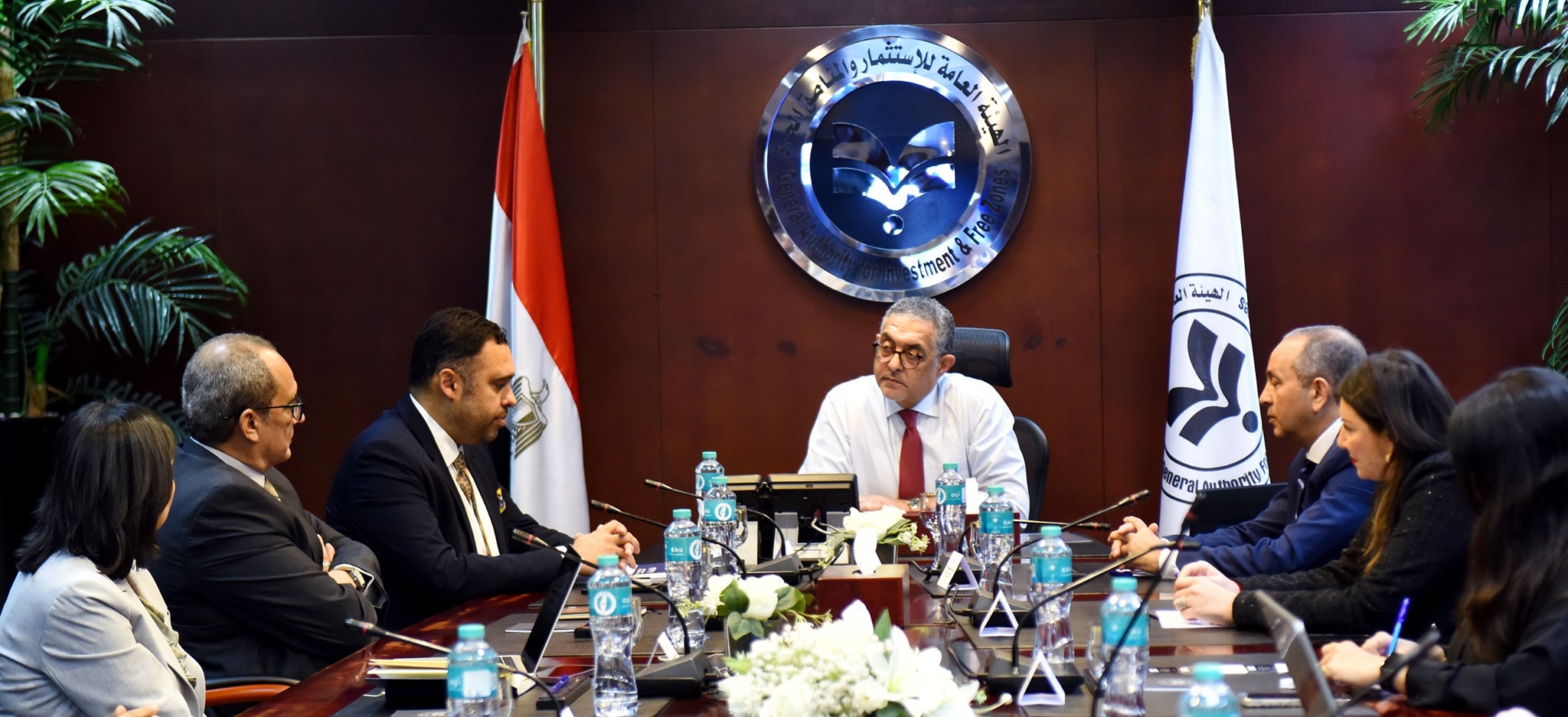
The two sides discussed localizing Bourna's carbon emission reduction technology in Egypt, supporting the government's efforts to keep pace with global trends. Bourna's expertise includes carbon capture and storage, and extracting and reinjecting propane, butane, and methane from flare gas operations into the Egyptian market.
Sam Salimi, CEO of Bourna, announced the company's plan to
invest $40 million in establishing a factory in Egypt. This facility will produce
systems for recovering flare gas from extraction and exploration operations,
separating carbon, and reinjecting the remaining gases into the national
natural gas grid. Salimi noted that the captured and stored carbon will enable
contracting companies in Egypt to trade carbon credits in the voluntary carbon
market, which the Egyptian government launched last year. He added that this
initiative will also significantly benefit the Egyptian market by reducing
carbon emissions, decreasing energy imports, and creating job opportunities.
He added that the Canadian government and financing entities
support companies investing in the Egyptian market, recognizing its immense
growth opportunities.
Hossam Heiba highlighted Egypt's investment incentives,
explaining that the private free zones system meets all of Bourna's needs. This
system offers customs and tax exemptions, simplified establishment procedures,
readily available land, limited production fees, and — most importantly — the
flexibility to set up facilities near exploration and extraction areas rather
than being confined to general free or investment zones.
Heiba highlighted that the environmentally friendly technologies and machinery produced by Bourna's factory will reduce carbon emissions. This will help Egyptian exporters comply with the European Union's Carbon Border Adjustment Mechanism (CBAM), which requires them to declare embedded carbon emissions for goods entering the EU. Consequently, a low carbon footprint will provide these exporters with a competitive price advantage.