
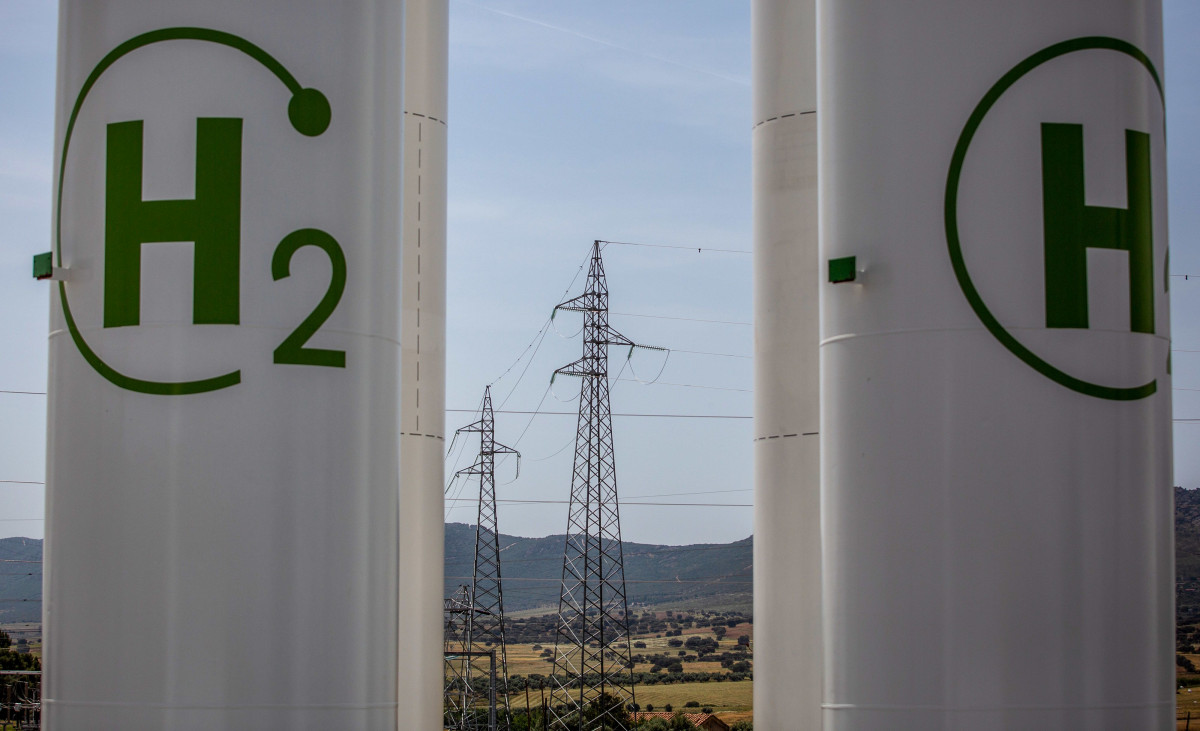
Tax accountant Ashraf Abdel Ghany, founder of the Egyptian Society of Tax Experts, stated that the government's tax incentives for green hydrogen and its derivative production projects have made Egypt the most attractive country for foreign investment among Arab nations in this sector.
Abdel Ghany explained that green hydrogen is a new type of
low-carbon renewable energy produced from the electrolysis of desalinated water
using renewable energy sources. Green hydrogen derivatives are the final
products that rely on green hydrogen in their production, such as green ammonia
and green methanol.
The founder of the Society noted that the world is moving
towards reliance on renewable energy sources to reduce carbon emissions and
protect the climate. He pointed out that Egypt has the potential to become a
major player in the green hydrogen field due to its abundant natural renewable
energy resources and its strategic geographical location. Consequently, Egypt's
Vision 2030 aims to achieve a production of 3.2 million tons of green hydrogen,
positioning it as the second-largest producer globally after Australia.
He highlighted three main challenges facing Egypt in green
hydrogen production: the high cost of hydrogen fuel cells requiring significant
investments, the lack of modern technology for these types of projects, and the
flammability of green hydrogen necessitating precise safety systems and
extensive expertise in transportation and use.
He stated that to overcome these challenges, Egypt has
chosen to collaborate with global companies and alliances by offering
unprecedented tax and non-tax incentives.
Abdel Ghani affirmed that these projects will contribute to an annual increase of $18 billion in the gross domestic product (GDP), in addition to creating 100,000 job opportunities and facilitating the transfer and localization of the latest global technology for the production of green hydrogen and its derivatives.