
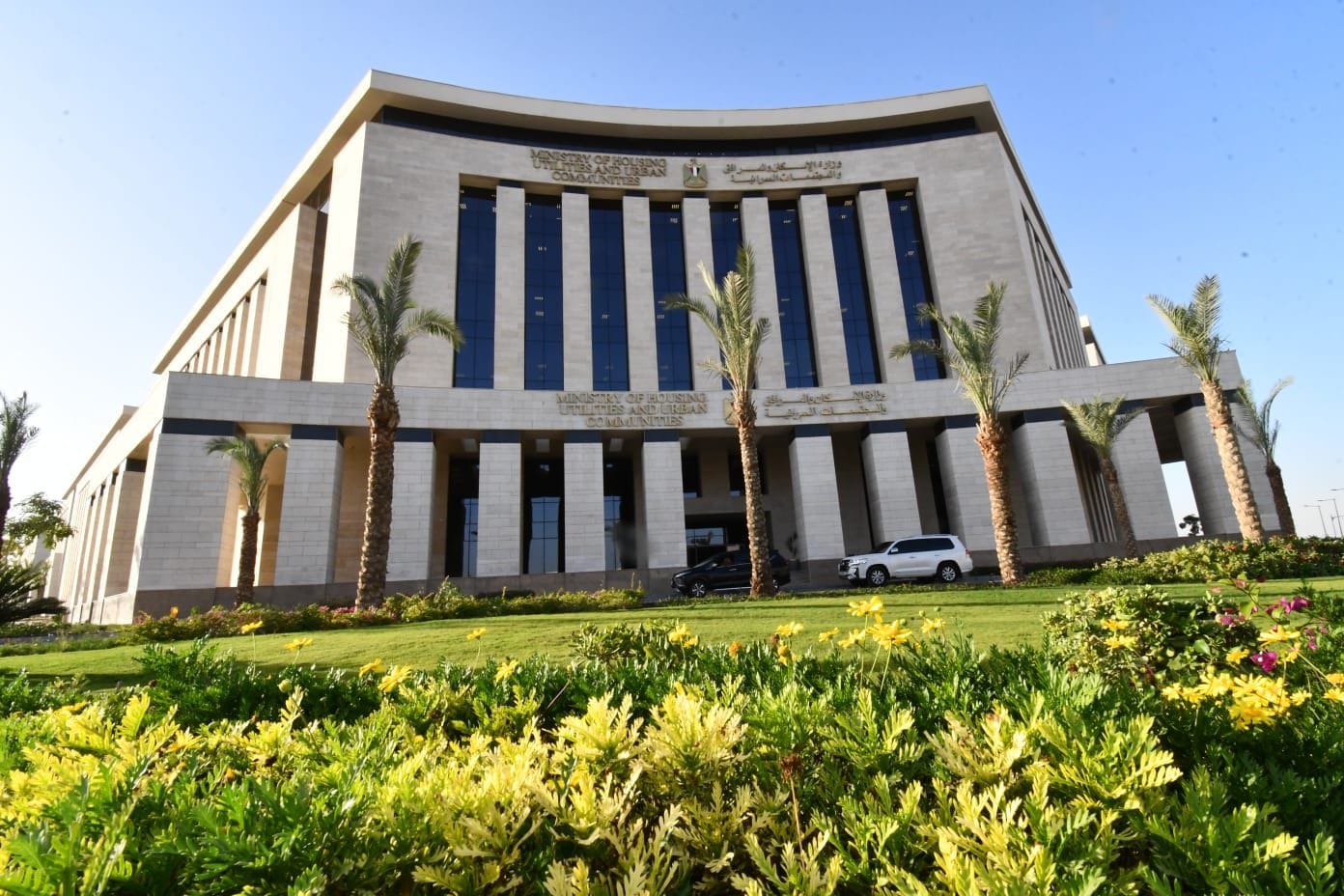
El-Sherbiny said: This project comes within the framework of implementing the directives of the political leadership to adjust the accounting system for water and sanitation consumption, reduce losses, and rationalize consumption, by linking customers to their actual consumption, and supporting national industries at the same time.
He added that this also falls within the framework of
the state's support for industrial localization efforts, as the meters used are
locally produced, manufactured by Egyptians in specialized factories, achieving
the goals of enhancing reliance on local products and reducing imports.
Engineer Ahmed Omran, Vice Chairman of the New Urban
Communities Authority for Utilities, Networks and Stations Monitoring and
Maintenance, indicated that approximately 380,000 meters have been installed so
far, including new subscriptions and service points without meters. In
addition, 27,000 traditional meters have been replaced with smart prepaid
meters.
These meters operate on a smart water consumption
management program, ensuring customers are billed based on their actual consumption
and eliminating arbitrary estimates. They are also equipped with advanced
sensors to prevent tampering, ensuring fairness and transparency within the
system.
To facilitate recharging operations, smart card
recharging services have been made available via a mobile application (the
"Sahl" program), in addition to enabling recharging via electronic
payment platforms such as "Aman" and "OPay", which are
available in new cities.
The system has been designed to ensure water supply is
not interrupted during critical times, such as after-hours and during official
holidays. This allows additional consumption equivalent to 10% of the value of
the last recharge, as well as a period of up to six hours after the additional
consumption is depleted, to ensure the comfort of citizens.
Over the past three years, the Authority has successfully completed more than two million shipments, including approximately 610,000 electronic shipments, representing 30% of total shipment operations.